long-form on games that won't leave your skull
On Literacy, Media, and Thoughtlessness

Boy howdy, it sure didn't take long for me to pivot away from gaming, did it now? Except I didn't — not really — though you'll have to bear with me for a bit to explain.
Never before in the history of human civilization has each and every one of us had access to such a patently ridiculous glut of bottom-tier content as we do today. I mean this in the gentlest, most understanding way possible: there is more content available on the Internet in all its forms than a human person could ever sensibly consume. Ours is in every meaningful way a Brave New World: a place where we're constantly overexposed to information in all the wrong, harmful ways.
Actually, let's go back for a bit: all of what I've just outlined applied just the same before we had LLMs. Now, though? Right now, in this very instant, the most bull-headed, imagination-deprived, money-driven tech CEO could go and generate an entire novel the size of the Silmarillion. Fuck it, why not generate some really snazzy artwork to go along with it? Some Marvel-style action videos to go along with it all, perhaps? All of this, driven by commodified CPU cycles and abused DRAM chiplets. Crucially, no human being gets involved in the process at any point in time, short of prompting the whole ruddy thing.

Please understand that I'm not categorically against LLMs as a technology. My budget for this entire shindig is effectively nonexistent and I'm no web designer or programmer. If I didn't have access to an LLM at this time, I wouldn't be able to get a blog as fancy-looking as this off the ground. I see the merits of the tech, it's just that the way it is being fielded is insane and diminishes human culture as a whole.
Back on track, then.
Content creation is no longer the purview of the artist. I recommend being very cynical about what this means, so give it some thought in the context of the following quote from Joseph Browning via the Church of Jeff:
Now, I could wax lyrical about overconsumption and doomscrolling in the world of "AI" for hundreds or even thousands of words. I yet might, come to think of it, but not here and not now. No, my main concern for the time being is the fact that such an extreme accessibility of content has made us unwilling to truly engage and think about the things we experience. Instead of thinking, we move on to the next source of fleeting joy right away. Which brings us to… you've guessed it — video games.
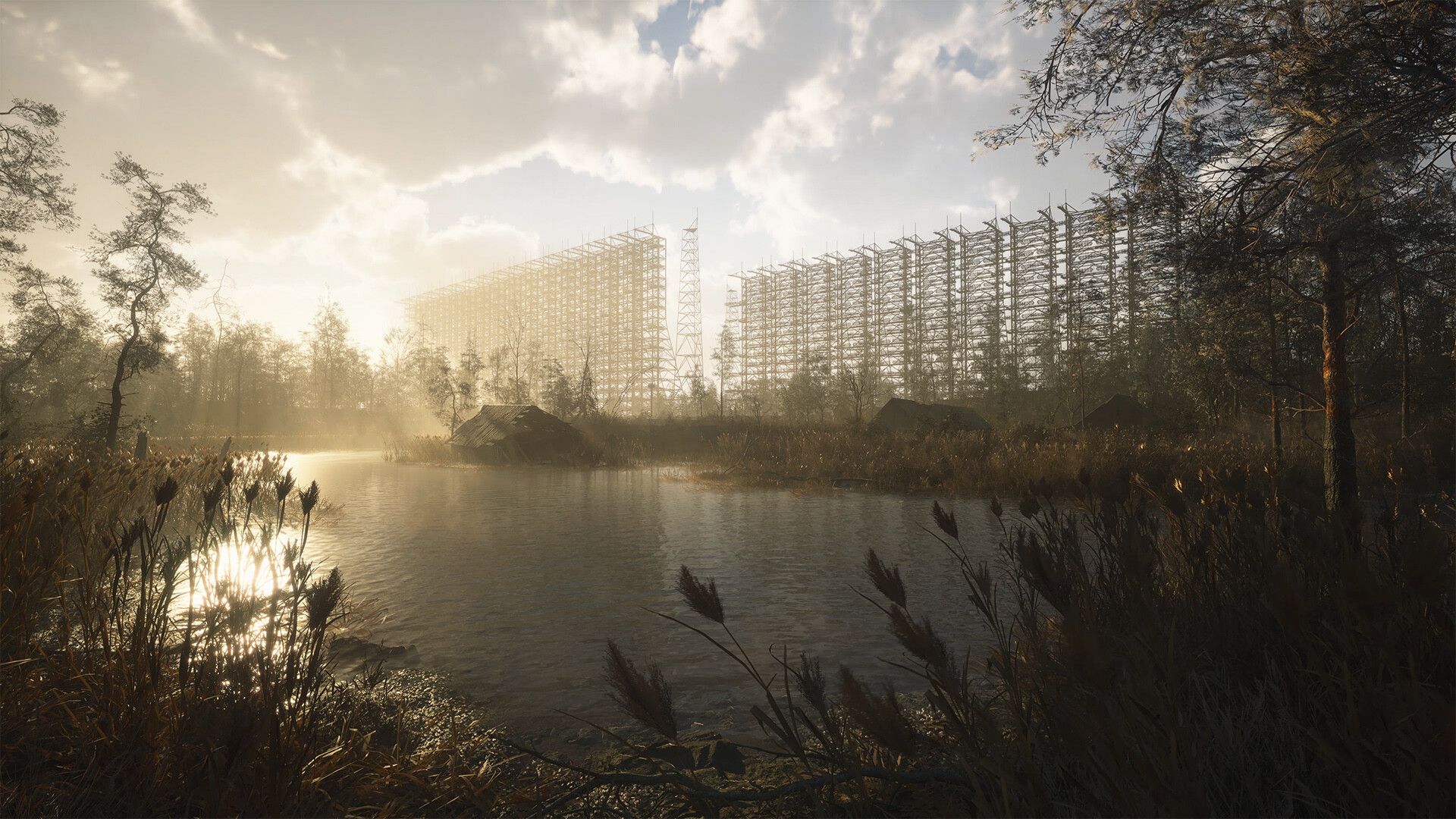
One of the things I appreciate the most about games is just how easy it is to lose oneself in them. They're immersive even when they're not necessarily trying to be immersive: the simple idea of interacting with a reactive, breathing sandbox makes it much, much harder to tune out of the experience which, in turn, makes them fun. My argument really isn't that people don't want to play games anymore, not at all. The issue is that many don't wish to actually engage with them properly and power through genuinely challenging bits.
Shockingly often, folks refuse to look into a piece of media beyond its surface reading. Media literacy has been holding on for dear life for some time now, yes, but I'd like to argue it's actually substantially worse than most imagine.
Cynicism, it's a hoot.
Our unwillingness to engage with the media we consume goes far beyond our inability to separate the protagonist from the hero, or perspective from endorsement. I'm not keen on calling anyone out, so instead I'm going to direct you towards your discussion board of choice for any modern game. Doesn't have to be a competitive PvP ordeal, either: any old game, single-player or not.
Among the most commonly posted threads you will without the faintest shadow of a doubt find people discussing meta builds, optimum progression opportunities, questions about "what to do first" in a game someone just spent $70 on, and — genre-dependent, mind — complaints about content that is too hard, too easy, too obtuse, or too obvious for players to deal with. Everything outside of some players' comfort zones is just too much to bother with, and so they won't.
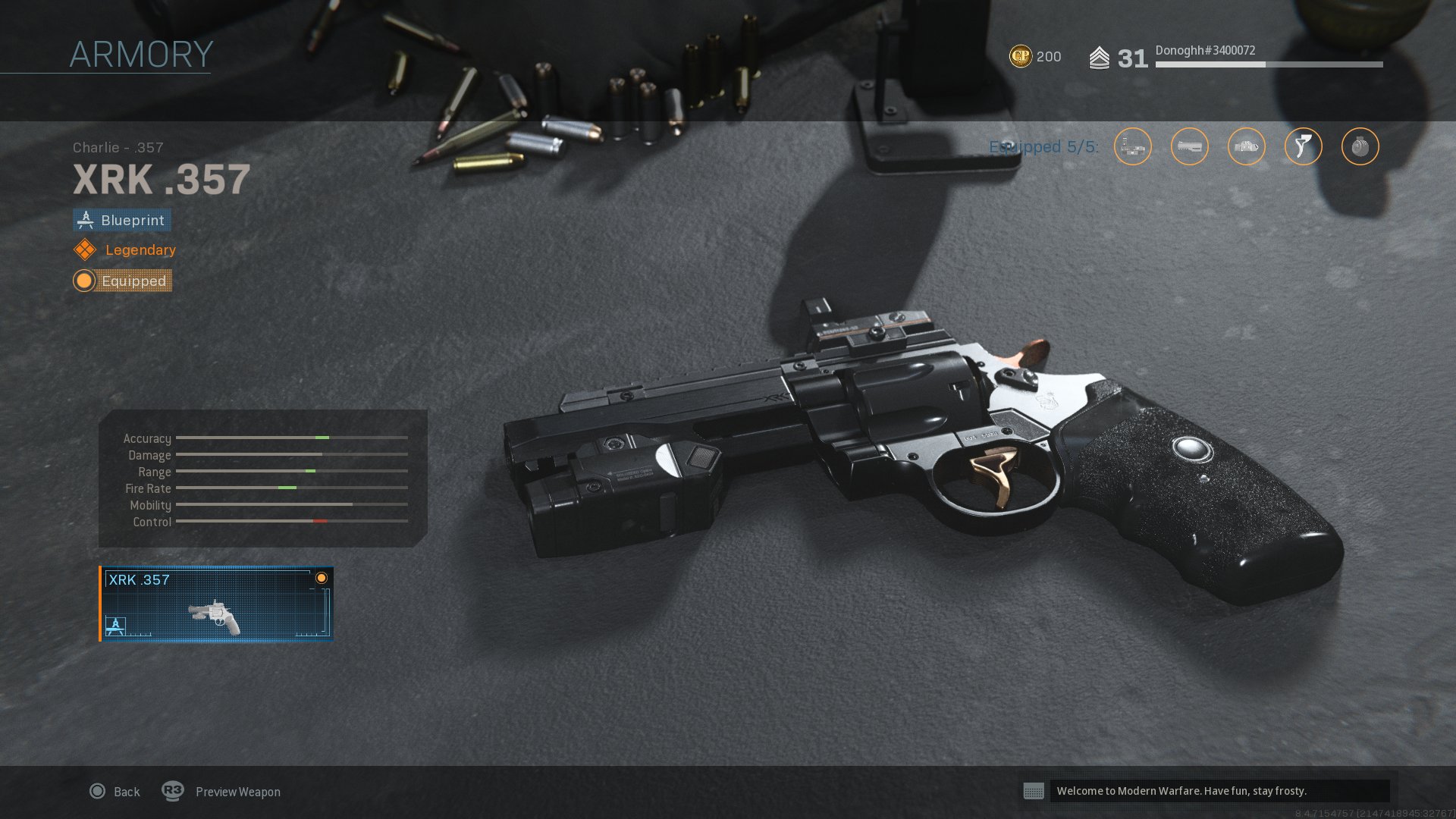
My go-to example is Call of Duty because I grew up playing COD 2 and COD 4. While I'm sure meta-gaming has always existed, as we humans optimize the fun out of everything we do, modern Call of Duty gamers obviously have a need to fully fine-tune and perfectly conform to the given meta in every way possible. It's a highly competitive context to be in, for sure, but does 15-year-old Timmy really need the perfectly optimized meta-tune M4, the optimum bunnyhopping method figured out, and all the right perks selected? I hardly even knew how to look this stuff up back in the day! And I still had fun even though I got my ass handed to me more often than not, just because I thought that the Mini-Uzi looked cool.
Modern games are played not to have fun, but to burn through all the unlockables as quickly and efficiently as humanly possible. Worse, there is a desire to do this with the minimum effort possible, to the point that players don't even wish to mentally engage with games to figure out their own optimum gun build or learn the systems or the map. No, instead we go to our favorite media influencers to have them teach us how to "have fun" in games.
Good grief, isn't that an issue?
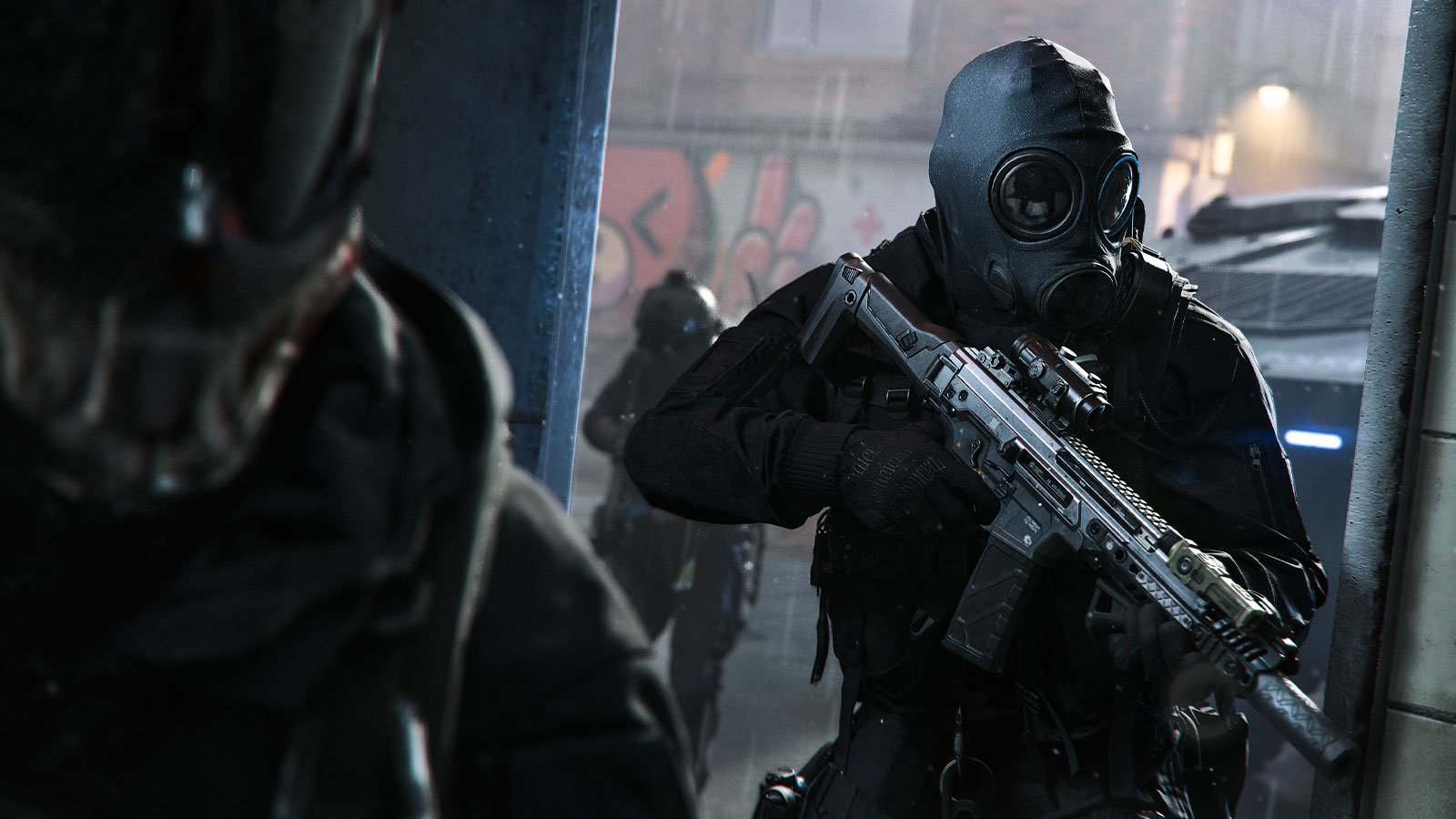
There is a laziness present in the gaming industry. A mental laziness that pervades every single aspect of it. A refusal to engage with games we purchase because… I'm not sure why, honestly. It's a matter of engrained interaction expectations, perhaps. Do one thing to finish it and move on to the next, lest you experience FOMO.
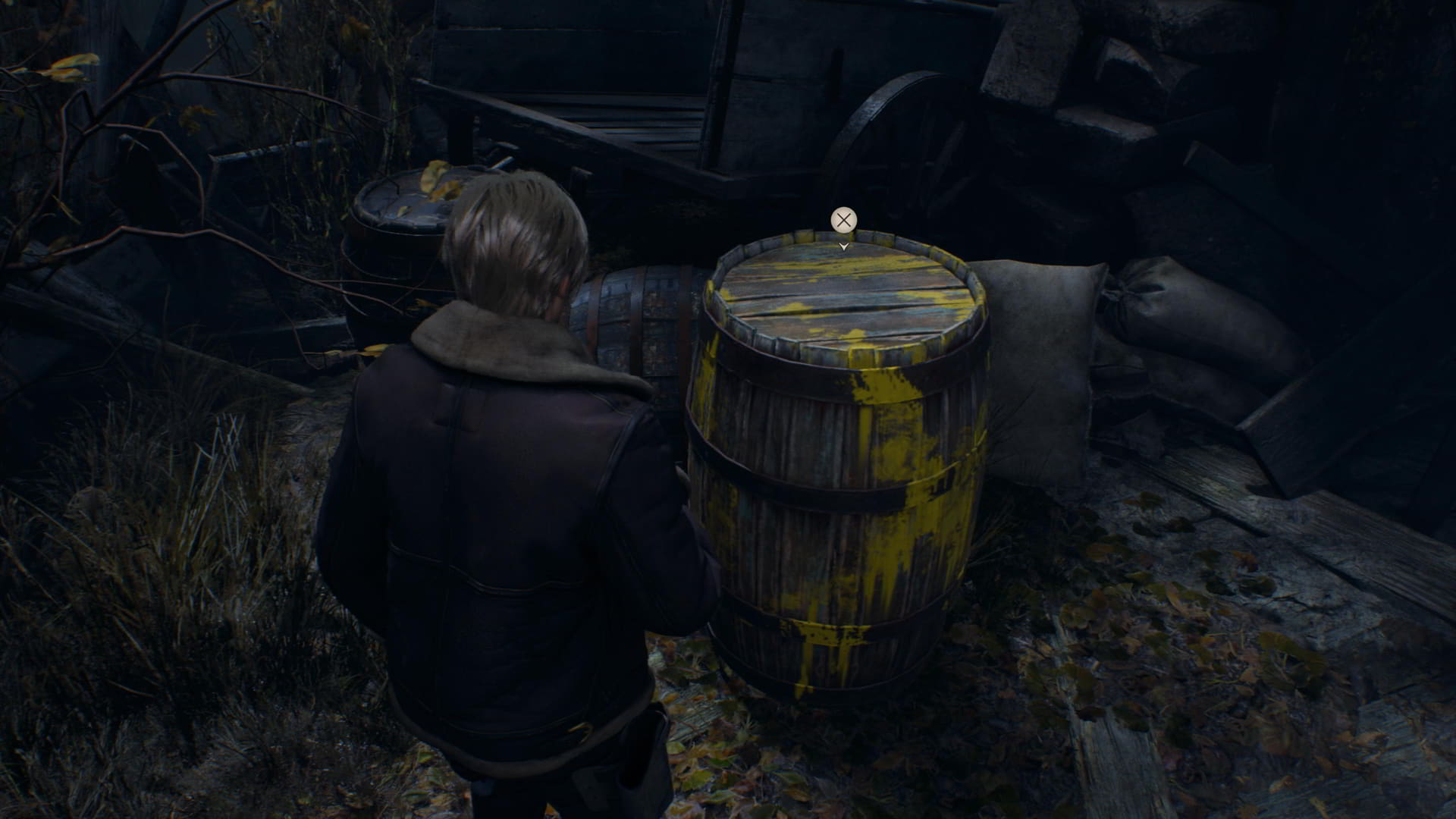
Want to keep things simpler still? Fair, let's talk about the Yellow Paint™ in that case. I'm sure you've come across streaks of yellow paint in modern games, informing you where you're supposed to go. I'm not opposed to this method in and of itself, and there are games that handle it well enough, but it's absolutely an example of developers coddling their players because they're not actually looking for a challenge or for an excuse to stop and think where to go next.
The obvious counter-argument here is that modern games — photorealistic as they are — are too visually cluttered for players to be able to "read" the levels and proceed through them at a reasonable pace. To that, I say: who cares? If you've got a talented team of level designers, like Valve do, you'll have a fine time managing this problem. If not, why does it matter that the player is frustrated? Old games often had us running in circles and we still played them!
Obviously this sounds like the tired OLD GAMES GOOD NEW GAMES BAD argument, but that's not what I'm saying. Modern games are obviously superior to the old ones in most ways, but they're also dumbing themselves down just to appeal to the modern consumerist mindset.
Games are often frustrating in many different ways. That's their whole schtick: if you want to passively experience a story, you've got other kinds of media to sift through. It's good if the player needs to stop and think for 5, 10, or even 20 minutes to figure out where to climb next or how to solve a puzzle. No, Atreus, I don't need you to explain the solution to me as soon as we enter the bloody room!
Content shouldn't be made just to be consumed. That's the wrong way of thinking about it. Good content invites the reader/viewer/player to engage with it on multiple levels and really think about what's being communicated to them. We should be asking more of that in all the media we consume, because we collectively deserve to be challenged. There needs to be deliberate friction in games, specifically, and downtime leads to discovery and personal progression.
That's not really the lay of the land though, is it now?